
I recently watched Shakespeare: Rise of a Genius, a BBC documentary series that mixes dramatization with historians, actors and playwrights. It works surprisingly well. It gives context without pretending we know everything about William Shakespeare.
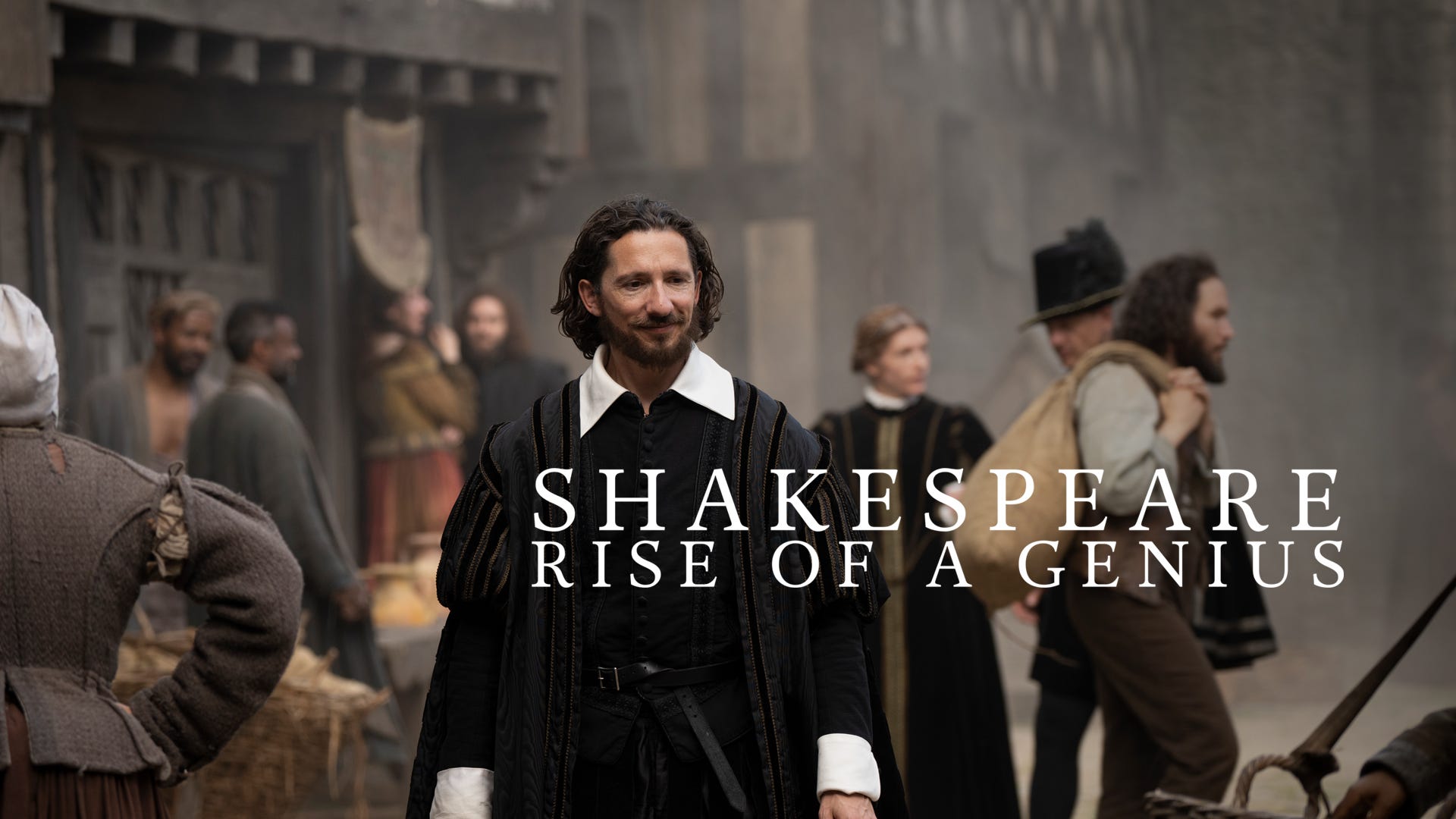
That mattered to me because of Hamnet (book and movie — I only watched the movie, but heard some podcast with the author). Beautiful film. Incredible atmosphere and scenery. Strong focus on Anne Hathaway (Shakespeare’s wife) and family grief. But it says almost nothing about why Shakespeare became who he became as a writer, or what drove him creatively and intellectually.
And that gap is real. We simply do not know that much. We have fragments, educated guesses, some historical records, and then a lot of interpretation.
The BBC series leans into that honestly. It sticks to facts when possible, then allows experts to sketch what might have happened around certain decisions, themes and moments in his life. Not fantasy. More like informed imagination grounded in the society and politics of the time.
It also helps that the documentary spends time on the England Shakespeare lived in. The pressure of monarchy. The religious tensions. The risks around theatre and public speech. The strange balancing act writers had to perform under rulers like Elizabeth I and later James VI and I.
We (me and my family) visited Stratford-upon-Avon last year, and watching the series after that gave the place another layer. You realise how distant Stratford was from London, and yet Shakespeare spent much of his adult life there, building a career in the capital while his family largely remained behind.
The documentary also explores something interesting: Shakespeare rarely confronted power directly. He approached it sideways. Through history plays, distant settings, kings from another age, fictional courts and families. Enough ambiguity to entertain powerful people while still saying something deeper underneath.
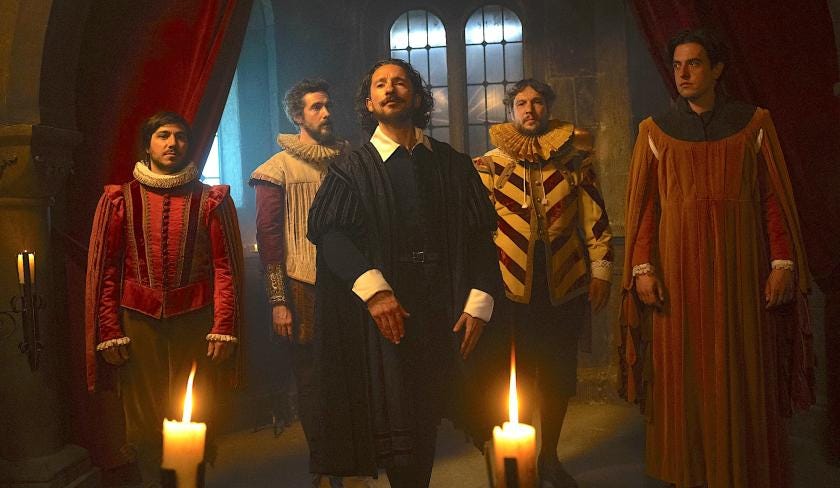
That feels very human and very recognisable, even now.
And maybe that is the real reason Shakespeare still matters almost 500 years later. Not because he was somehow “timeless”, but because he captured people so well in his own time that we still recognise ourselves in them.
Jealousy. Ambition. Power struggles. Loss. Cruelty. Vanity. Moments of madness. The ability humans have to destroy something good, sometimes for reasons they barely understand themselves.
Different world. Different tools. Same human core.
Article/review here: