
I had seen it (Marty, Life is Short) listed on Netflix before and kept postponing it. It looked like many other celebrity documentaries… pleasant, self-serving, ultimately forgettable.
What surprised me was how good it is in several areas. Not perfect, but with a clear purpose and message (and nice directing).
Part of that is the director. The experienced Lawrence Kasdan knows Martin Short well, and you feel it throughout. The conversations are relaxed and honest. There is a real complicity between them.
Yes, the documentary celebrates Martin Short. It wants you to admire him. But it includes enough friction to make it interesting — failures, setbacks, losses, moments of doubt alongside the successes. What holds it together is a single question running underneath everything: how do you live a good life?
The answer the documentary offers is partly about attitude.
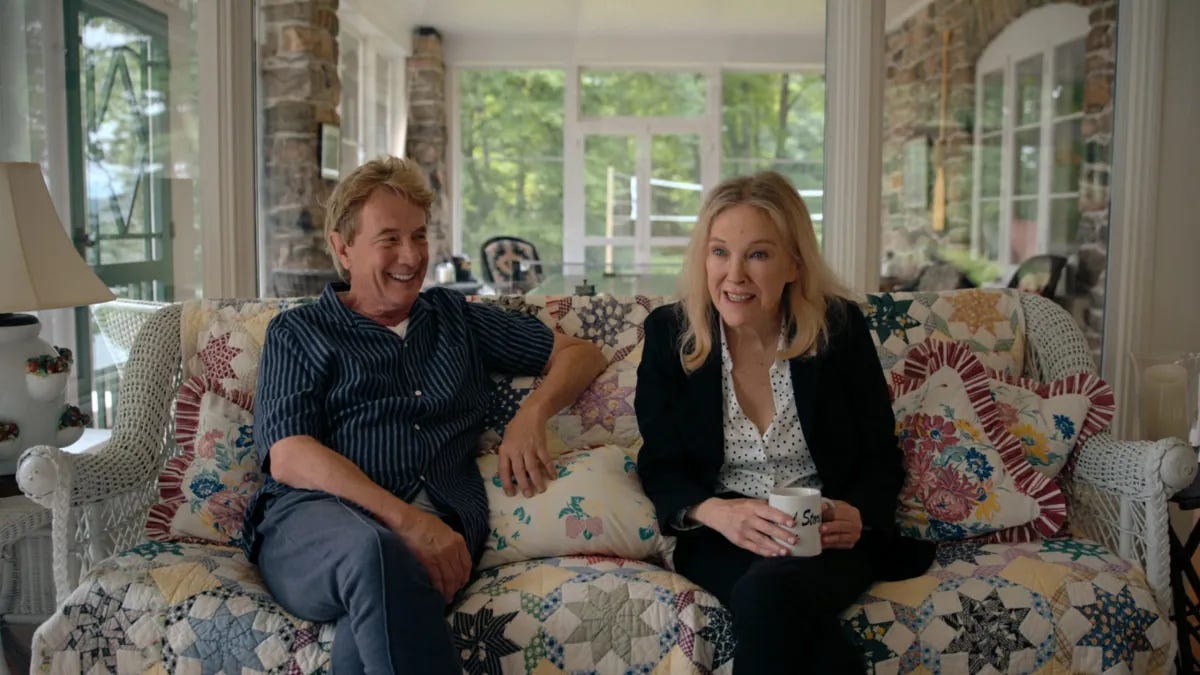
Watching Martin Short reminded me of Paul McCartney. The documentary even ends with a Wings song, which feels fitting. Like McCartney, he comes across as someone endlessly driven, curious, and optimistic. Someone who doesn’t appear trapped by the past. He appreciates it, but he keeps creating. He keeps moving.
The documentary explains where much of that came from. His older brother died when Martin was young. As a teenager, he had to decide what to do with that loss. He chose to honour his brother by fully embracing the life still in front of him. He carries the loss with him, but also a sense of gratitude — a feeling that he gets to live a life his brother never had the chance to live.
The other thing the documentary is really about is friendship.
The list of people in Martin Short’s life is astonishing — Tom Hanks, Steven Spielberg, Dan Aykroyd, Catherine O’Hara (who died recently and is a constant presence in Short’s life, including during the Home Alone years), Harold Ramis, and many others. There is even a moment where Hanks and Spielberg shoot a small home movie on a boat, with Hanks slipping back into Forrest Gump and Short gleefully mocking a scene from Butch Cassidy and the Sundance Kid. It is exactly the kind of thing that happens when people are genuinely comfortable with each other.
But what struck me wasn’t the celebrity aspect. It was how genuine those friendships seemed. Again and again, people describe him as someone who creates joy in a room. Whose home became a place where families mixed, children grew up together, and summers were shared.
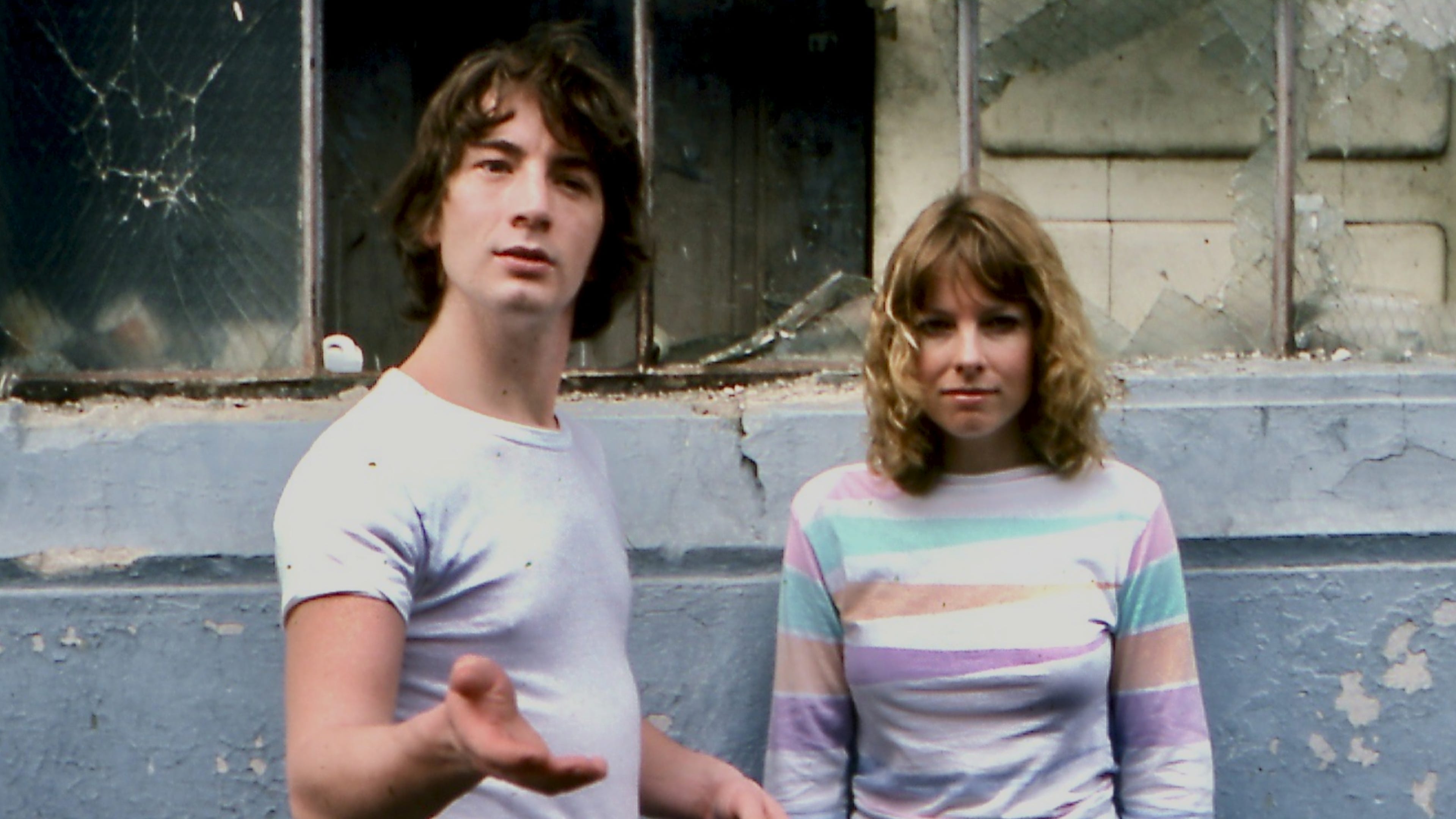
His wife Nancy Dolman comes across as an extraordinary presence. You can feel how much they loved each other and how much she shaped everything else. Her death in 2010 is one of the documentary’s emotional centres, and I found myself wishing I could hear more from her directly.
What I took away wasn’t a lesson about success in the conventional sense.
It was the example of someone who seems to have spent decades trying to make life a little brighter for the people around him. Bringing energy into a room instead of taking it out — and that includes after someone important in his life dies. Making time for fun. Gathering people together.
It made me think I should probably do more of that myself.